How much does an electric bike cost
Electric bikes are practical and environmentally friendly means of transportation that have gained popularity in the past decade. They provide a great deal of balance between conventional cycling and the ease of motor assistance.
Electric bikes are a popular choice for commuters, delivery workers, and recreational riders across the US.
But how much does an electric bike cost? Prices vary widely depending on the type, quality, and intended use.
In this guide, we break down real-world e-bike price ranges, explain what drives the cost, and help you figure out what to expect at each budget level.
E-bike price ranges
Entry-level e-bikes ($500–$1,000)
At this price point, you get a functional e-bike with basic components. Hub motors (usually 250W–350W), mechanical disc or rim brakes, and modest battery capacities (around 36V/10Ah) are typical. These bikes work for light commuting or casual riding but aren’t built for intensive delivery use.
Durability and after-sales support are limited in this range. Parts availability and warranty coverage are often minimal.
Mid-range e-bikes ($1,000–$2,500)
This is where performance and reliability improve noticeably. You can expect 500W hub or mid-drive motors, hydraulic disc brakes, larger battery packs (48V/12–16Ah), and more robust frames.
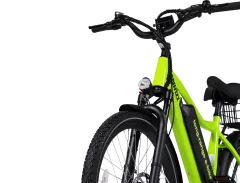
Delivery-focused models like the Storm-2 from Whizz fall into this range when purchased outright. The Storm-2 is priced at $1,790, which includes a 500W motor, hydraulic disc brakes, 85-mile range, and anti-theft systems.
Premium e-bikes ($2,500–$5,000+)
At this level, you get top-tier components — Bosch or Shimano mid-drive motors, long-range batteries, integrated connectivity, and premium frames. These are often high-end commuter or mountain bikes designed for enthusiasts.
For most delivery riders, this range offers more than necessary unless you're covering 100+ miles daily in demanding terrain.
What drives the price of an e-bike?
The main cost drivers include:
- Motor quality and power: Hub motors are cheaper; mid-drive motors cost more but deliver better performance on hills.
- Battery capacity: Larger batteries cost more but deliver longer range. Samsung or Panasonic cells are more reliable (and expensive) than off-brand alternatives.
- Frame material: Aluminum alloy is standard at mid-range. Carbon fiber is used on premium road or mountain e-bikes.
- Brake system: Hydraulic disc brakes add $100–$200 to manufacturing costs versus mechanical alternatives.
- Brand and support: Established brands with service networks and warranties charge more, but the ongoing value is often worth it.
Hidden costs to factor in
The purchase price is only part of the total cost of ownership. Consider:
- Maintenance: Annual servicing can cost $100–$400 depending on use intensity. Brake pads, tires, and cables need periodic replacement.
- Battery replacement: E-bike batteries typically last 3–5 years. Replacements cost $200–$600 depending on capacity and brand.
- Accessories: Helmet, lock, lights, fenders, and a rear rack can add $150–$400 to your setup cost.
- Insurance: Optional but increasingly recommended for delivery riders or high-value bikes.
Renting vs buying: total cost comparison
Buying outright makes sense if you ride daily for several years. But for delivery riders or those uncertain about long-term use, renting often offers better value upfront.
Whizz offers the Storm-2 starting from $169/month on a rental plan. The plan includes free maintenance and repairs, which eliminates a major variable cost. If maintenance runs $300/year and the bike is rented for 12 months, the effective cost is closer to $150/month all-in.
A rent-to-own option is also available, where monthly payments contribute toward full ownership — a middle ground between renting and buying outright.