How to lock an electric bike
How do you lock an electric bike after leaving it on the street? This question is crucial for any e-bike delivery rider, as so many bikes get stolen on the streets of NYC.
Knowing how to lock an electric bike properly is essential for any urban rider — especially delivery riders who leave their bikes unattended dozens of times per shift.
E-bike theft is a serious problem in cities. A proper locking strategy significantly reduces your risk and, in many cases, affects whether your insurance or rental plan will cover a theft.
Why e-bike locking matters more than for regular bikes
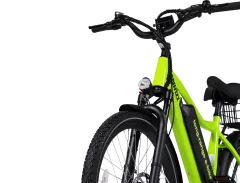
E-bikes are significantly more valuable than standard bicycles. A mid-range delivery e-bike like Whizz's Storm-2 e-bike is worth $1,790 new, making it an attractive target for theft.
Beyond value, e-bikes are heavier and bulkier, which affects how and where you can lock them. Understanding the right technique prevents both theft and damage to the bike frame or components.
Types of bike locks
Not all locks are equally effective. Here's a breakdown of the main types and when to use them:
U-locks (D-locks)
The gold standard for urban security. A quality U-lock (Kryptonite, Abus, or OnGuard rated 8+ out of 10) resists bolt cutters, angle grinders, and leverage attacks when used correctly. Use a U-lock as your primary lock.
Heavy-duty chain locks
A hardened steel chain (at least 10mm thickness) combined with a quality padlock offers flexibility in locking to varied anchor points. Chain locks work well as a secondary lock paired with a U-lock. Avoid lightweight chains — they're cut in seconds.
Folding locks
Compact and versatile. Better than a cable lock but generally not as strong as a quality U-lock. Useful as a secondary lock or for lower-risk situations.
Cable locks
Cheap and lightweight but easily defeated with small bolt cutters. Use only for very short stops or as a supplemental deterrent, never as a primary lock for a high-value e-bike.
How to lock an e-bike correctly
The locking technique matters as much as the lock quality:
- Lock through the frame and rear wheel: The rear wheel is the most expensive wheel to replace. A U-lock threaded through the rear triangle (frame + rear wheel) to a fixed anchor is the strongest single-lock position.
- Use two locks: A U-lock on the rear wheel/frame + a chain or cable through the front wheel dramatically increases deterrence and difficulty. Thieves prefer quick opportunities.
- Lock to a fixed, immovable anchor: Bike racks, metal poles, and signposts are common choices. Avoid wooden fences, trees, or low anchor points where the lock can be slid off.
- Position the lock keyhole downward: This reduces dirt ingress and makes it harder to manipulate the lock mechanism.
- Remove the battery if possible: Many e-bike batteries are removable. Taking the battery with you eliminates a major resale value component and reduces theft incentive.
- Don't leave slack: A U-lock or chain with excess space gives attackers room to use a lever or jack. Fill the lock as tightly as possible around the anchor and bike components.
Additional anti-theft measures for e-bikes
Locking is the foundation, but a complete theft deterrence strategy includes:
- GPS tracker: A hidden tracker (embedded in the frame or battery housing) makes recovery possible even if the bike is taken. Some e-bike brands, including Whizz, offer this as a built-in or add-on feature.
- Alarm systems: Motion-sensitive alarms on the bike add an audible deterrent. They won't stop a determined thief but deter opportunists.
- Theft insurance or protection plans: Whizz's Protection Plan covers partial liability in theft scenarios, significantly reducing your financial exposure if a theft occurs despite proper locking.
- Avoid leaving your bike overnight: Even with good locks, overnight outdoor parking dramatically increases risk. Store your e-bike inside where possible.